Font size:
Images:
09.06.2026
UNESCO “Memory of the World” International Seminar Held as Part of the III Congress of Archivists
An international UNESCO seminar under the Memory of the World programme was held as part of the III Congress of Archivists, dedicated to the preservation of documentary heritage in the age of artificial intelligence.
The event continued the cooperation between the Archive of the President of the Republic of Kazakhstan and UNESCO in the area of preserving and promoting documentary heritage. The first Memory of the World seminar was held as part of the II Congress of Archivists of Kazakhstan in 2024, serving as a platform for discussing new initiatives to advance national documentary heritage at the international level.
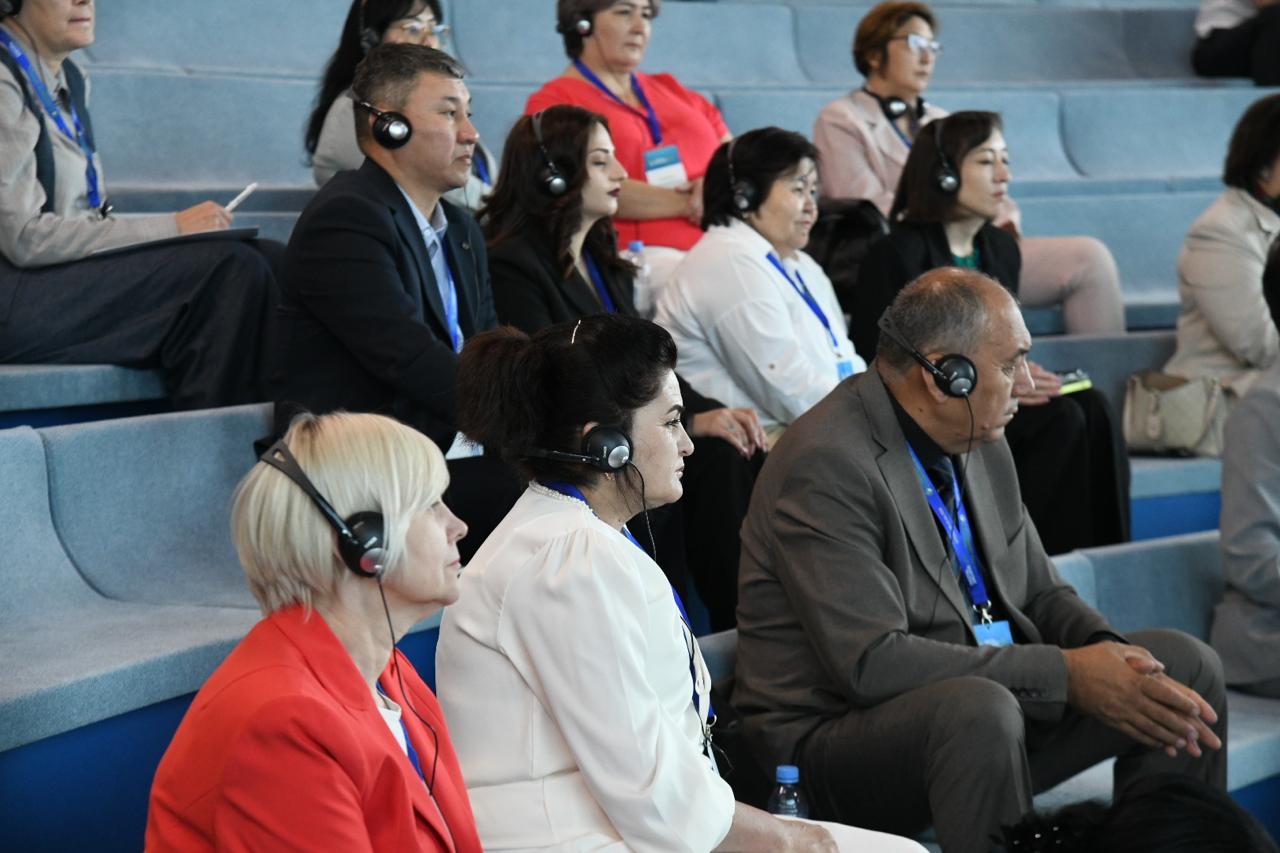
This year’s seminar brought together representatives of UNESCO, the International Advisory Committee of the Memory of the World Programme, the National Commission of the Republic of Kazakhstan for UNESCO and ISESCO, archival institutions, the academic community, and domestic and foreign experts in the field of documentary heritage preservation.
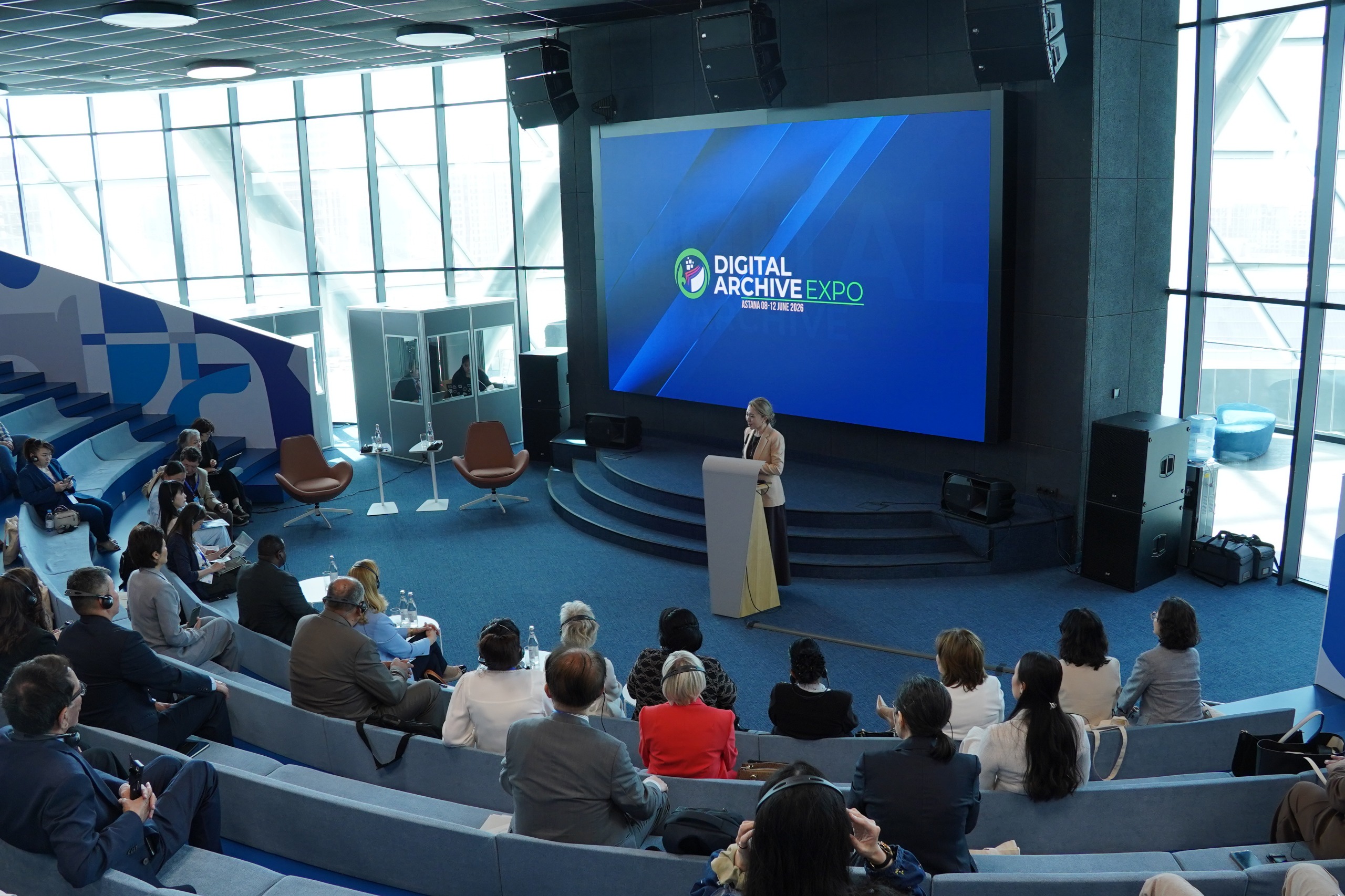
Opening the event, Director of the Archive of the President of Kazakhstan Aliya Mustafina noted that artificial intelligence poses new challenges for the archival community related to the authenticity of historical information in the digital environment. According to her, modern AI systems generate responses based on available digital data, while a significant portion of documentary heritage remains inaccessible online.
As an example, she cited a widespread case involving the image of Hero of the Soviet Union Aliya Moldagulova. In the digital space, users often mistake a still of actress Aitughan Temirova - who played Aliya in the 1985 feature film “Snipers” - for an authentic photograph, while the real archival photographs of the heroine remain far less known to the general public.
“At the same time, artificial intelligence also has a significant positive impact. It is becoming not only a tool for processing information but an independent cultural phenomenon reflecting the values and artistic pursuits of our time. Already today, we can speak of image-generation algorithms and digital models gradually forming a new part of the cultural heritage of the 21st century,” said Aliya Mustafina.
A welcoming address was delivered by Zhanar Shaimenova, Secretary General of the National Commission of the Republic of Kazakhstan for UNESCO and ISESCO. She noted the importance of Kazakhstan’s participation in the UNESCO Memory of the World programme and emphasized that issues of documentary heritage preservation are becoming especially relevant in the context of the rapid development of artificial intelligence technologies.
“Today’s discussion takes place at a critical moment. Artificial intelligence is changing the ways in which knowledge is created, preserved, transmitted and used. As custodians of humanity’s documentary heritage, we bear a collective responsibility to ensure that technological innovation strengthens, rather than undermines, the integrity, reliability, and authenticity of documentary heritage,” noted Zhanar Shaimenova.
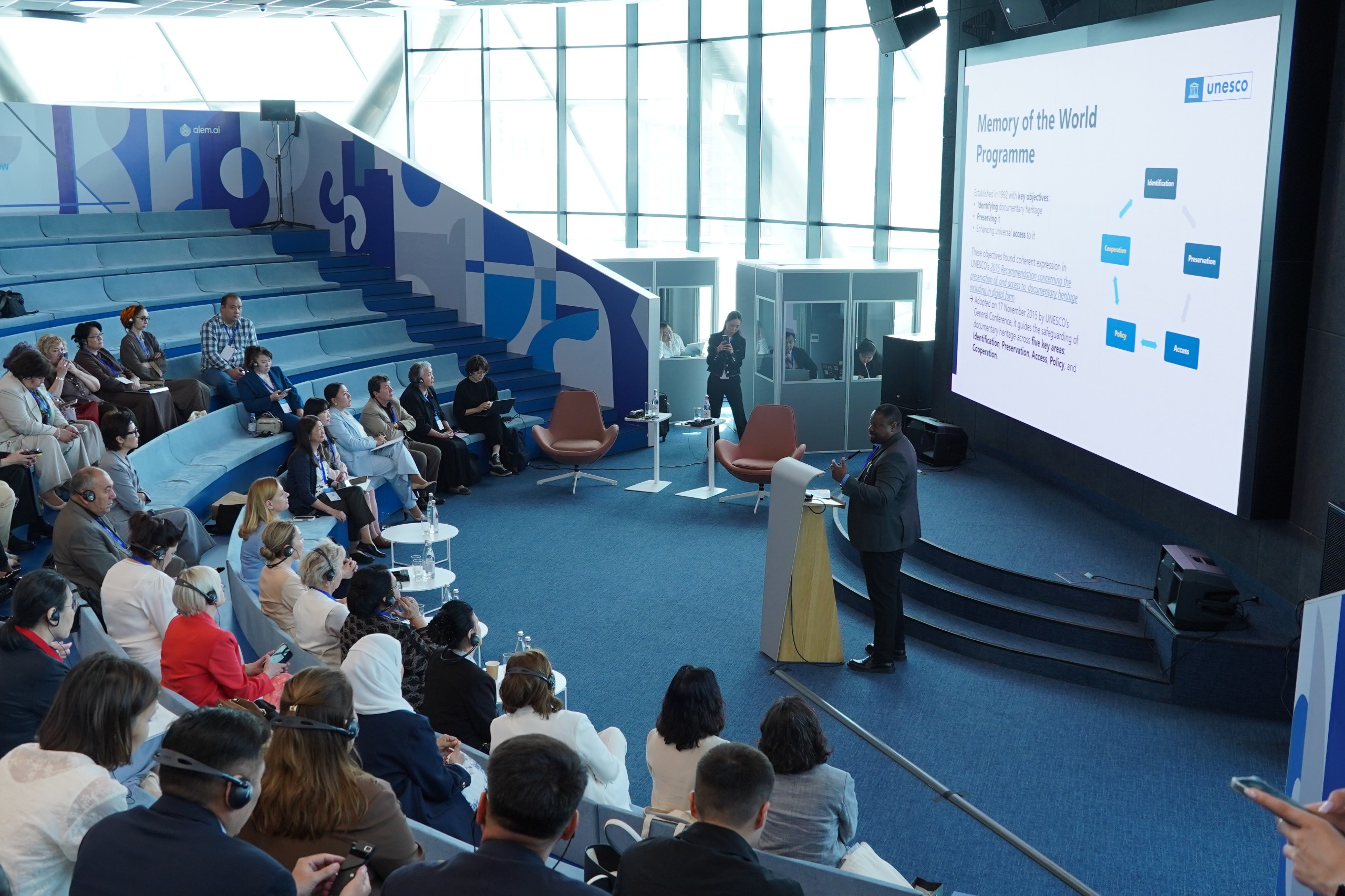
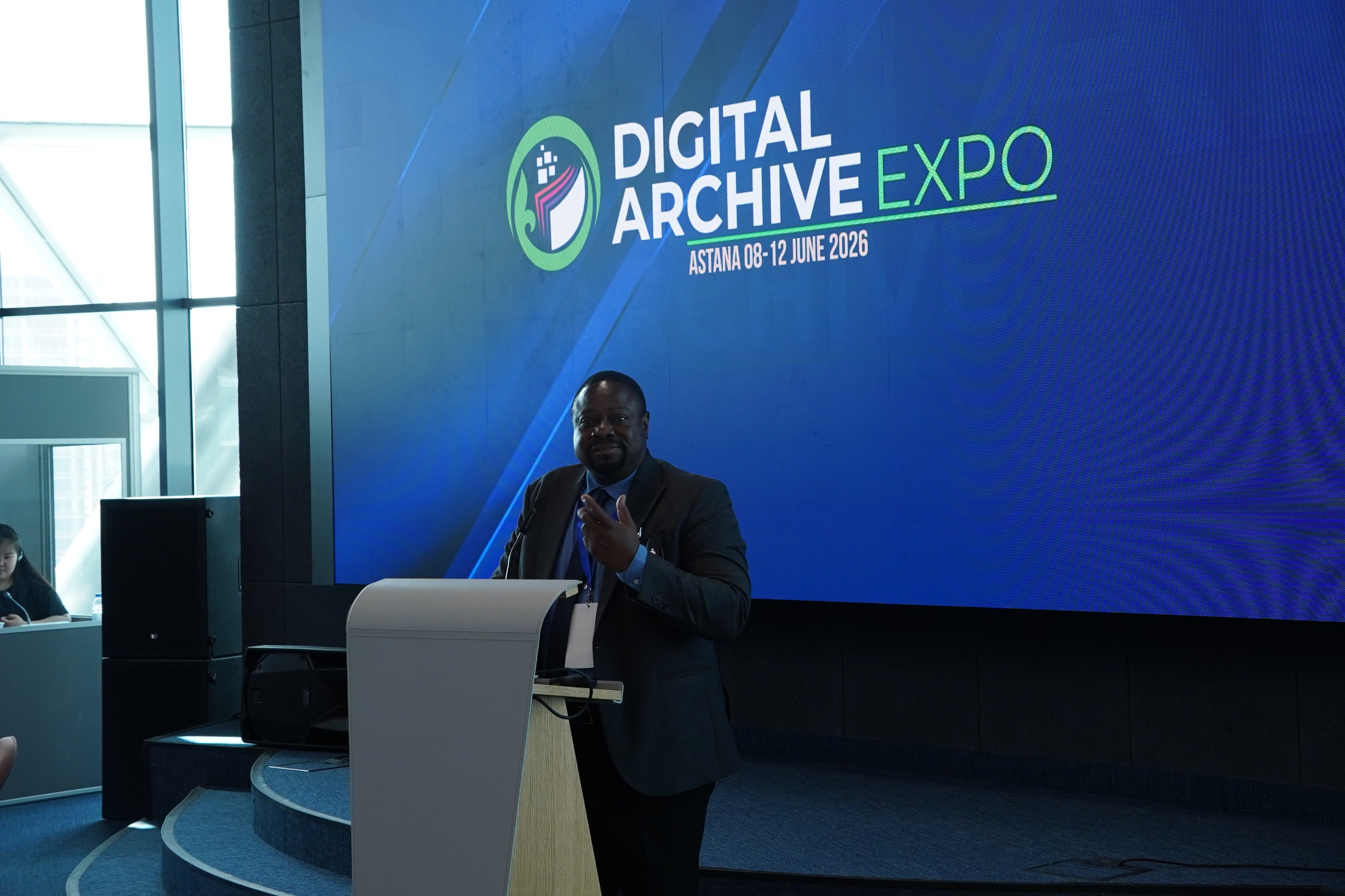
As noted by Dr. Fackson Banda, Head of the Documentary Heritage Unit at UNESCO’s Communication and Information Sector, the key objectives of the Memory of the World programme remain the identification, preservation, and provision of broad access to documentary heritage.
“For us, access means not only the physical preservation of a document, but also the possibility of its use in the digital environment. That is why international cooperation, the development of regulatory frameworks, and the joint work of archives, libraries, museums, and research centres to preserve documentary heritage for future generations are of particular importance today,” emphasized Dr. Fackson Banda.
Speaking about contemporary challenges in digital heritage preservation, the speaker cited one of the most well-known international examples: in the late 1990s, a significant portion of the materials for Pixar’s animated film “Toy Story 2” was accidentally deleted due to a technical failure and was saved only because a backup copy existed. According to the expert, this case vividly demonstrates how vulnerable digital heritage can be and how important reliable long-term preservation mechanisms are.
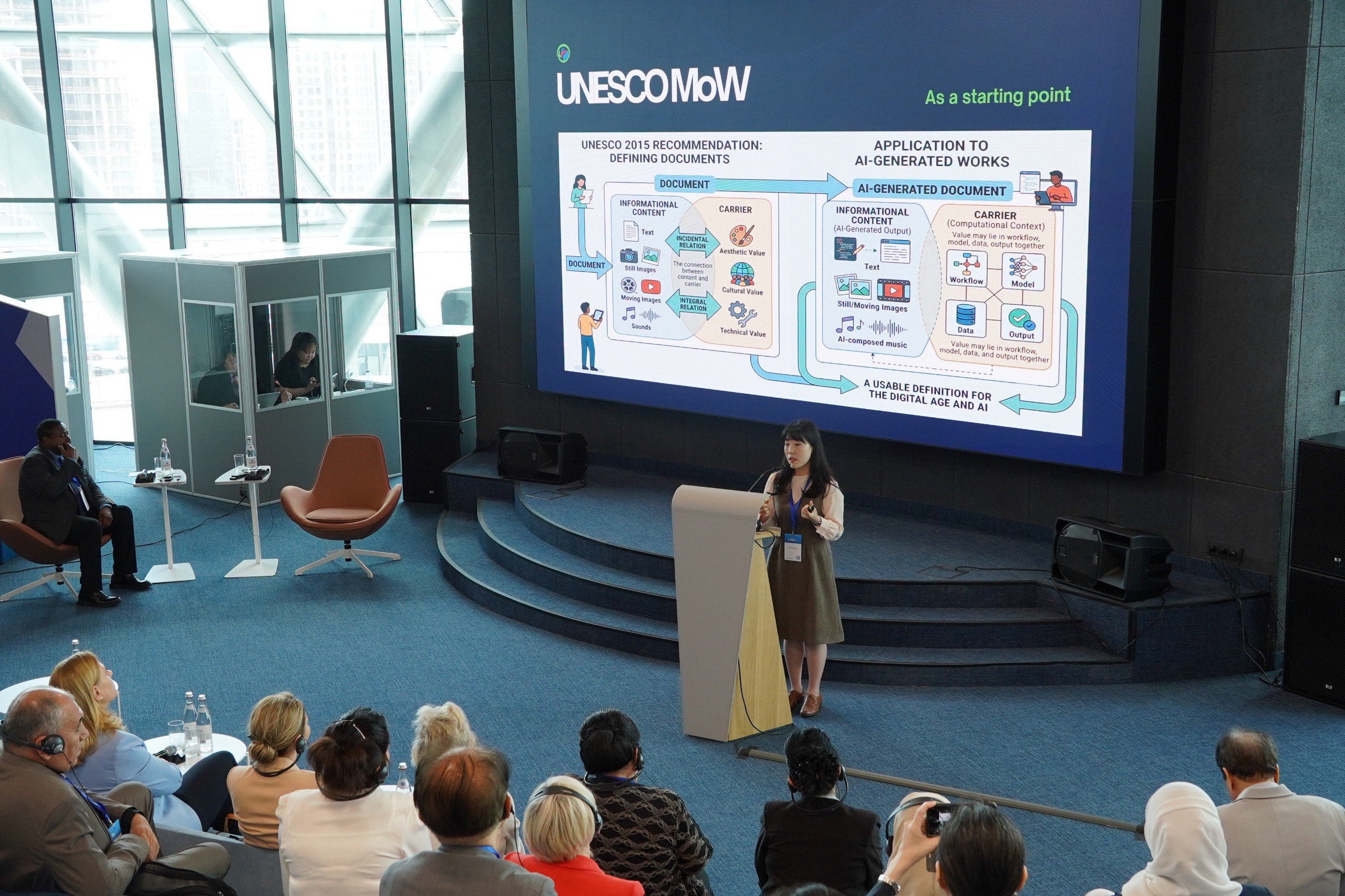
Also presenting at the seminar were Dr. Phang Lai Tee, Chair of the Preservation Subcommittee of the UNESCO Memory of the World International Advisory Committee and Senior Deputy Director of the National Archives of Singapore; Nursulu Shaimerdenova, Executive Director of the Research Institute of Turkology and Altaistics at Al-Farabi Kazakh National University; and Dr. Sun Park, a specialist in digital cultural heritage and artificial intelligence at University College Dublin.
Participants drew attention to questions of recognizing and preserving works created with the help of artificial intelligence as a new form of documentary heritage, as well as the use of digital technologies for researching historical sources.
As part of the seminar, a round table titled “The Evolution of Documentary Heritage: The Role of Archivists in the Age of Artificial Intelligence” was held. Experts discussed the transformation of the concept of documentary heritage, the challenges associated with the development of AI technologies, and the role of archives and archivists in ensuring the authenticity of historical information amid rapid digitization.
At the conclusion of the seminar, participants noted the need to strengthen international cooperation in the preservation of documentary heritage, expand the representation of national archival collections in the digital environment, and develop professional approaches to preserving materials created using artificial intelligence technologies.
.jpeg)
.jpeg)
.jpeg)
.jpeg)