Font size:
Images:
23.01.2026
How to Preserve History During an Emergency: Archivists from Kazakhstan and Japan together on Online Seminar
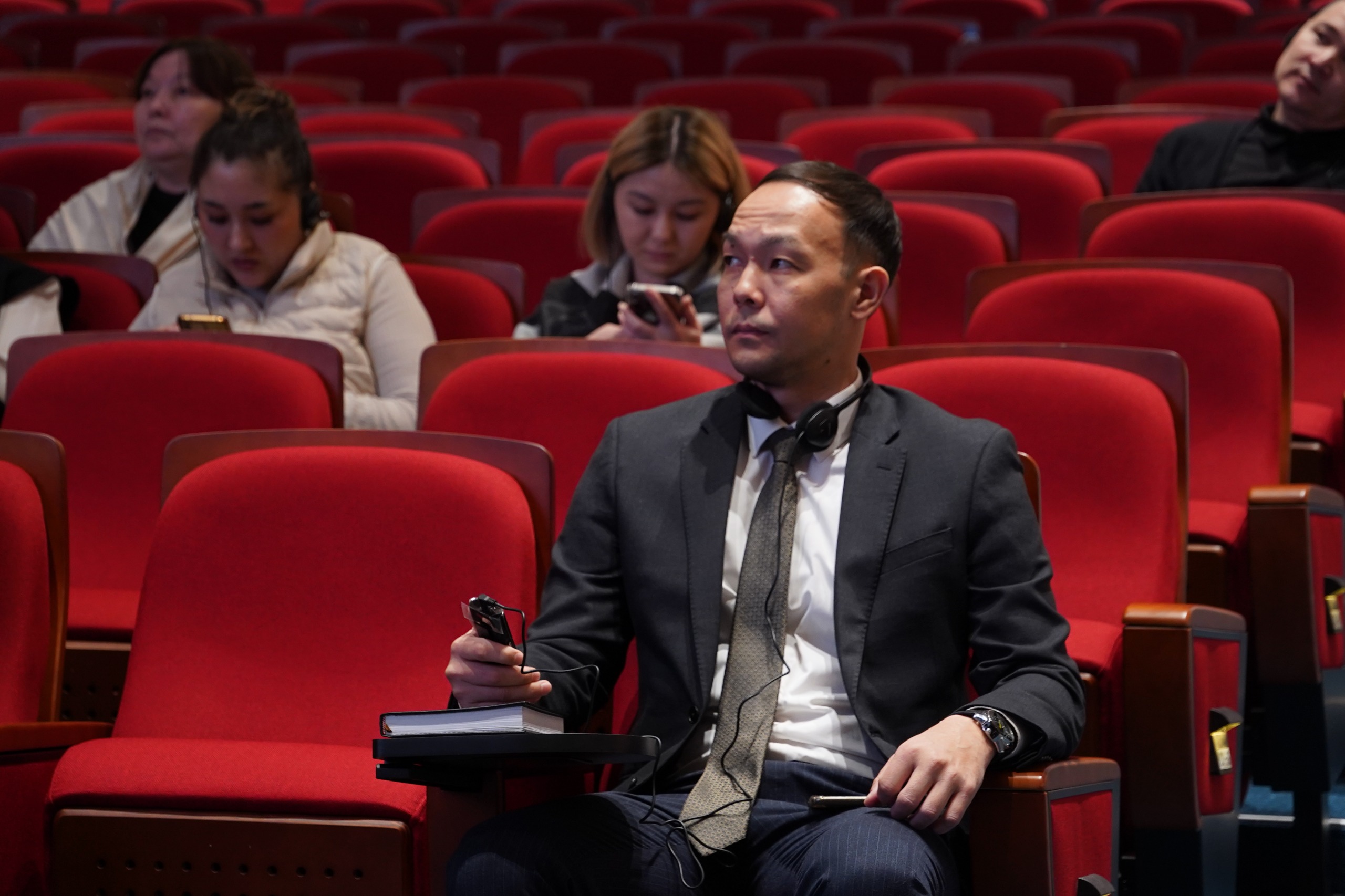
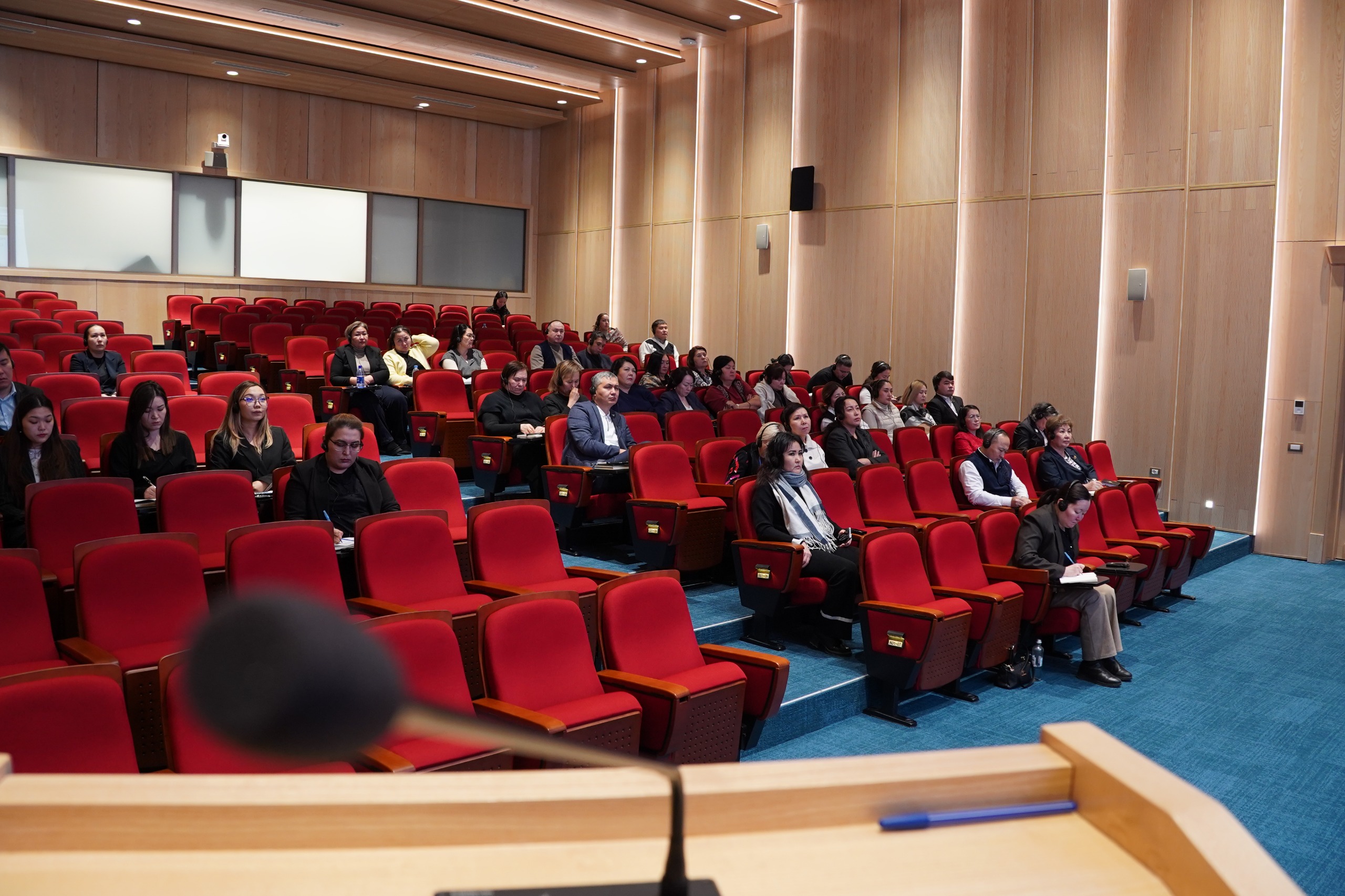
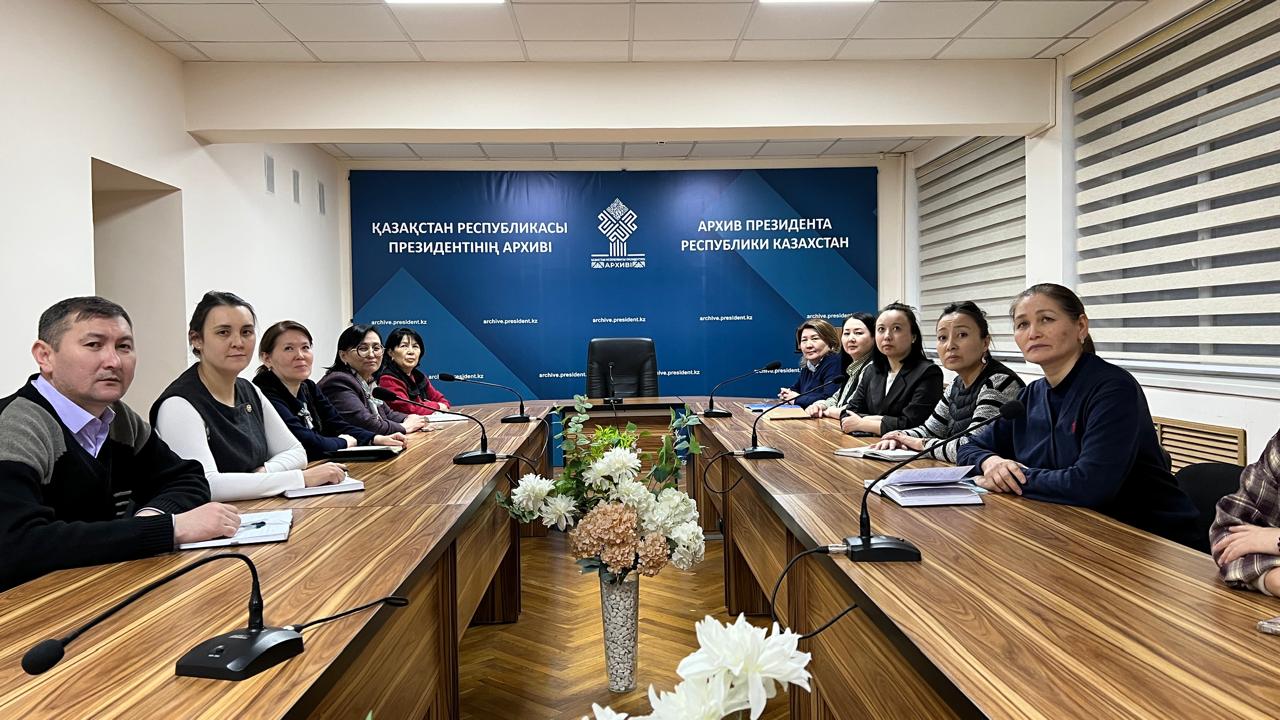
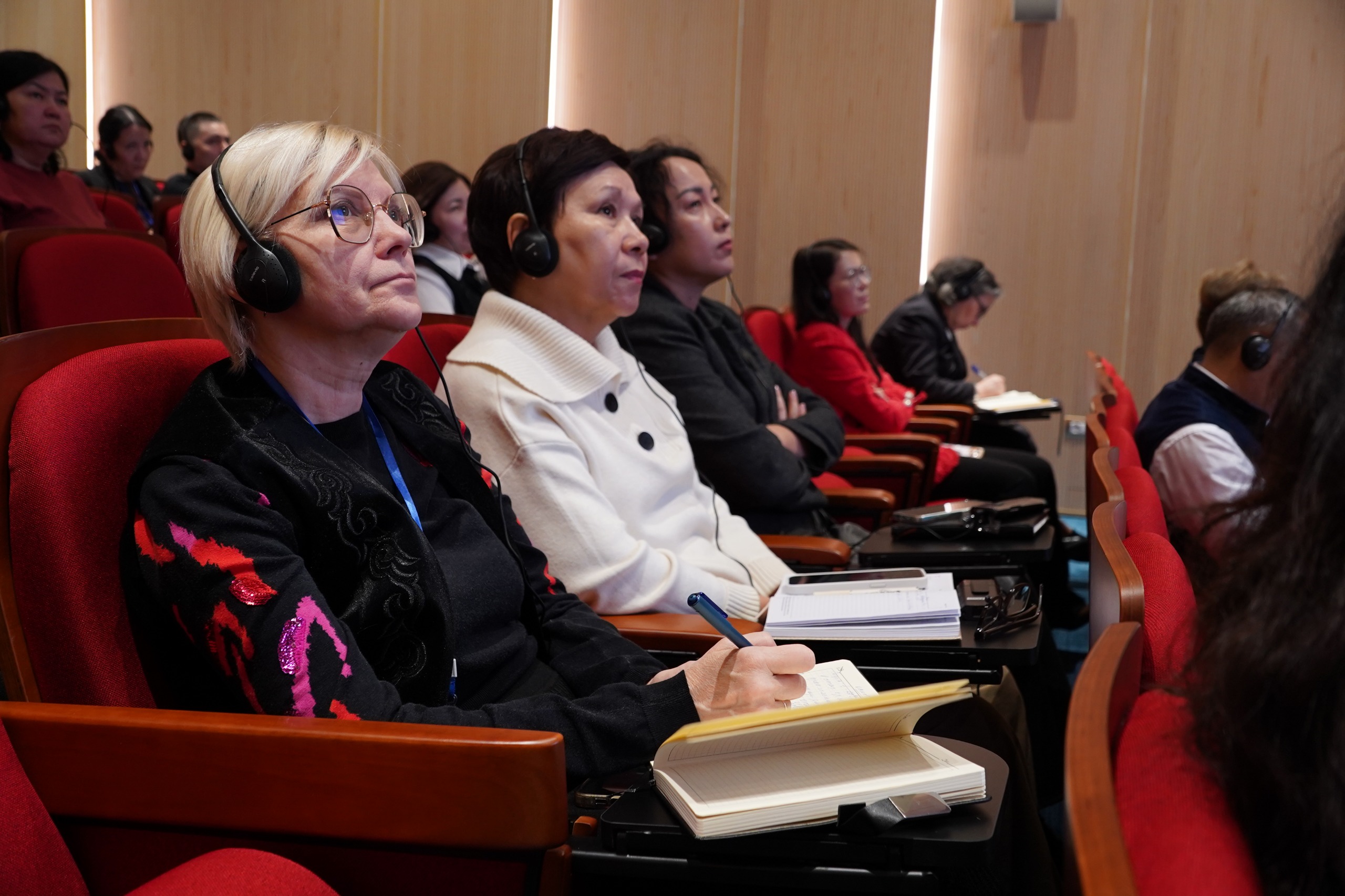
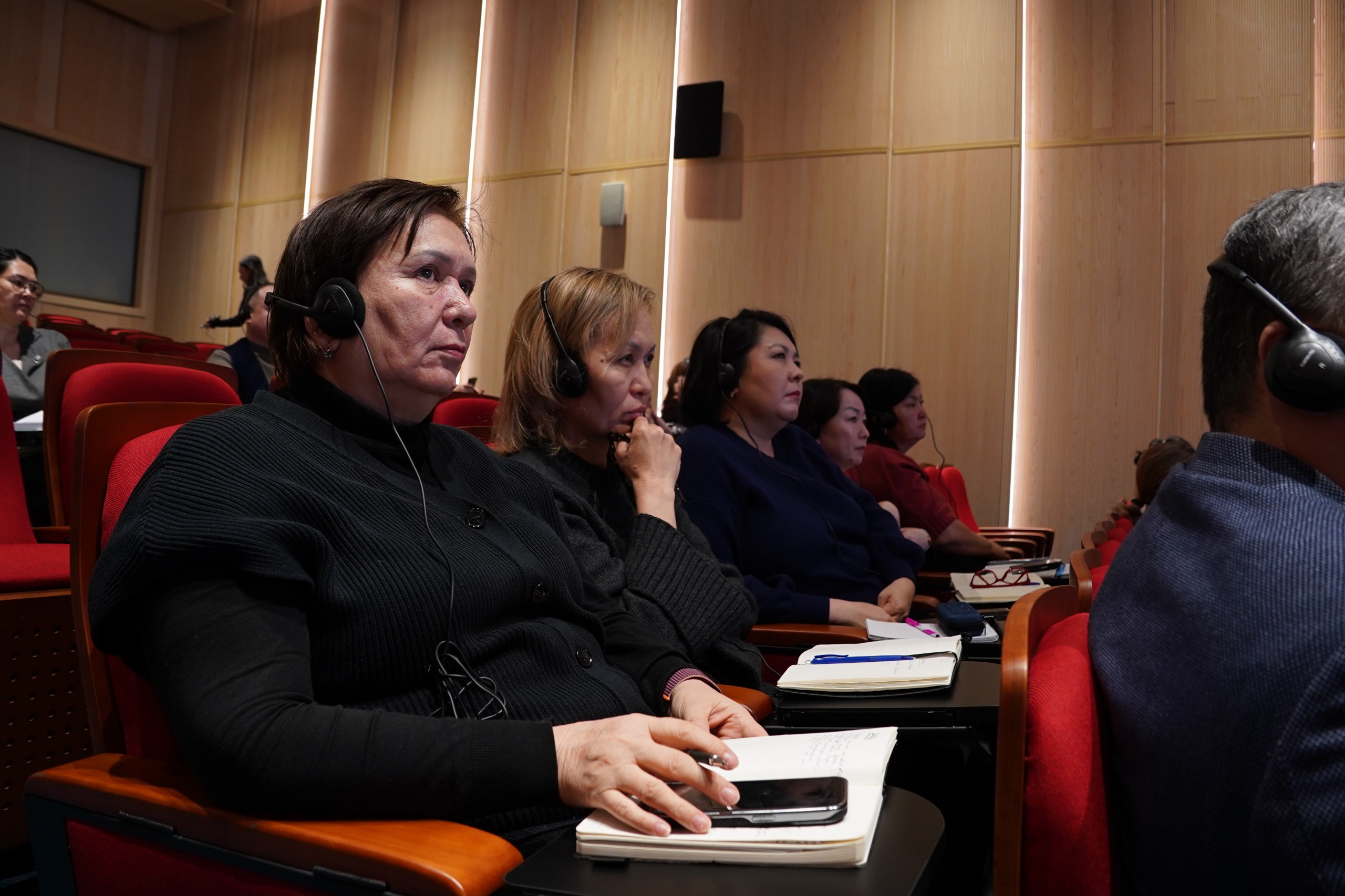
The Archive of the President of the Republic of Kazakhstan joined the National Archives of Japan at their international online seminar dedicated to the preservation of archival documents in emergency situations. The discussion brought together more than 70 archival professionals, with experts from the Japan, the Philippines, and Indonesia and the United States, participating as speakers.
The online seminar, titled “Preservation of Archival Materials and Emergency Preparedness,” became the first practical event under the Memorandum of Cooperation between the two archival institutions, signed in December 2025, and was organized by the National Archives of Japan (NAJ) for their international partners. The event was opened by Furuya Ichiro, Senior Vice President of the National Archives of Japan, who emphasized the importance of international cooperation in the archival field.
Among the speakers were Remmel G. Talabis, Chief Archivist of the Preservation Division of the National Archives of the Philippines; Saho Asaba, Chief of the Coservation Section of the National Archives of Japan; Achmad Dedi Faozi, Acting Director of Archives Preservation and Protection of the National Archives of Indonesia; and Emilie Gagnet Lemas, Consultant at the U.S.-based company EGL Consultants, LLC.
The seminar program consisted of two sessions focusing on archival storage practices and on preparing archives for natural disasters and emergency situations. Invited experts shared their experience in strengthening the resilience of archival buildings, applying microfilming and digital technologies, and using modern document restoration methods.
Addressing wide international audience that included specialists of the Archive of the President of Kazakhstan, the experts provided a detailed overview of the advantages and limitations of microfilming and digitization, noting that the most effective results are achieved through a combination of both approaches. They also emphasized that effective archival protection is based on a four-stage model: prevention, preparedness, response, and recovery. Special attention was given to the importance of regular emergency response training for archival staff, ensuring that each employee knows how to act quickly and safely in the event of a threat.
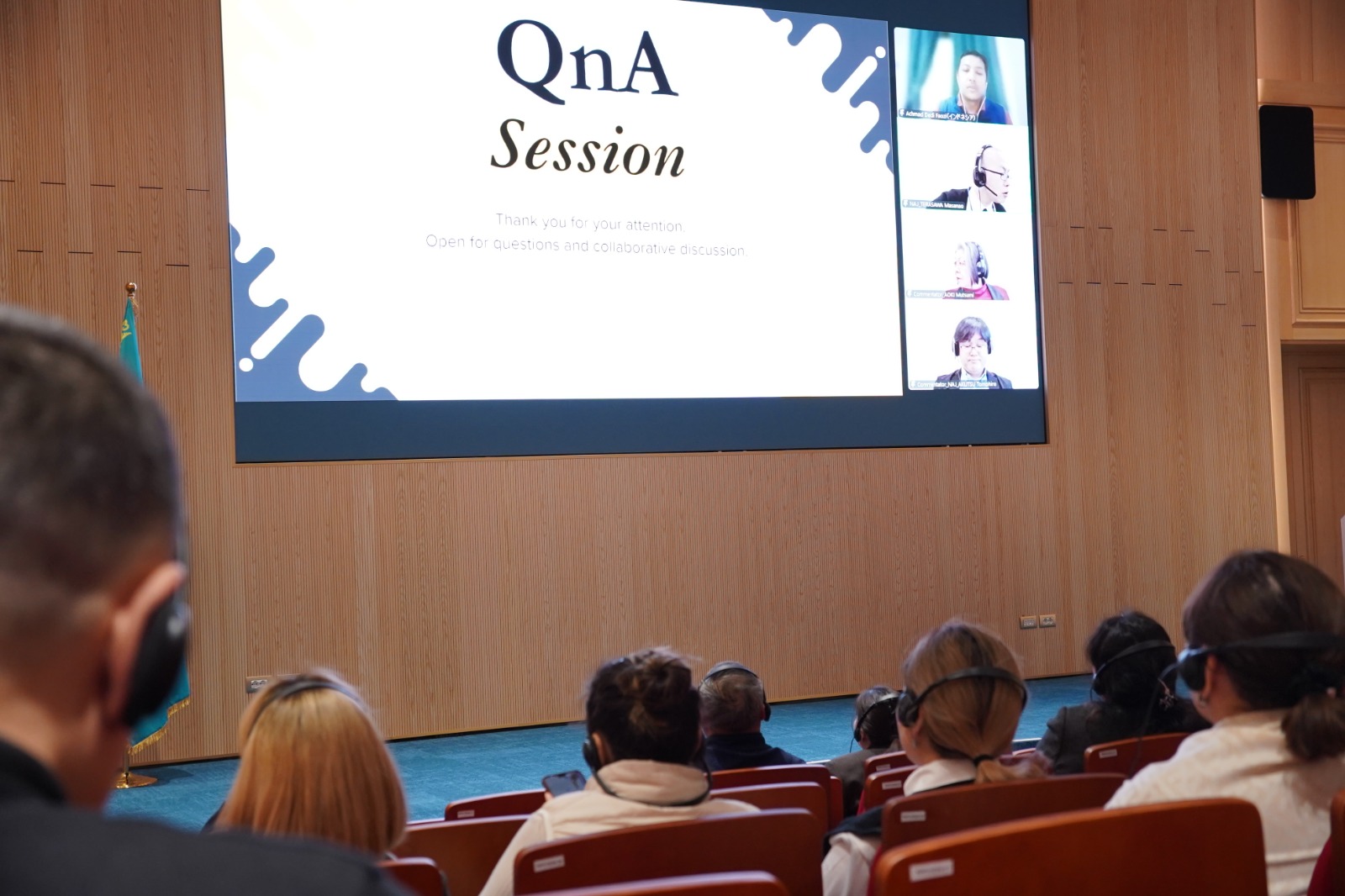
At the conclusion of the seminar, participants had the opportunity to share their views and ask questions, particularly regarding the criteria for selecting documents for microfilming and digitization, as well as the application of standards and methodological guidelines in archival practice.
It is worth noting that the Archive of the President of the Republic of Kazakhstan places strong emphasis on the development of international cooperation. To date, more than 20 memoranda have been signed with foreign organizations. The Memorandum of Cooperation with the National Archives of Japan provides for experience exchange, joint research projects, archival digitization, and the organization of joint seminars, webinars, and conferences for archivists and records management specialists.
.jpeg)