Font size:
Images:
25.08.2025
Round Table and Exhibition at the Archive of the President of Kazakhstan mark the 30th Anniversary of the Constitution
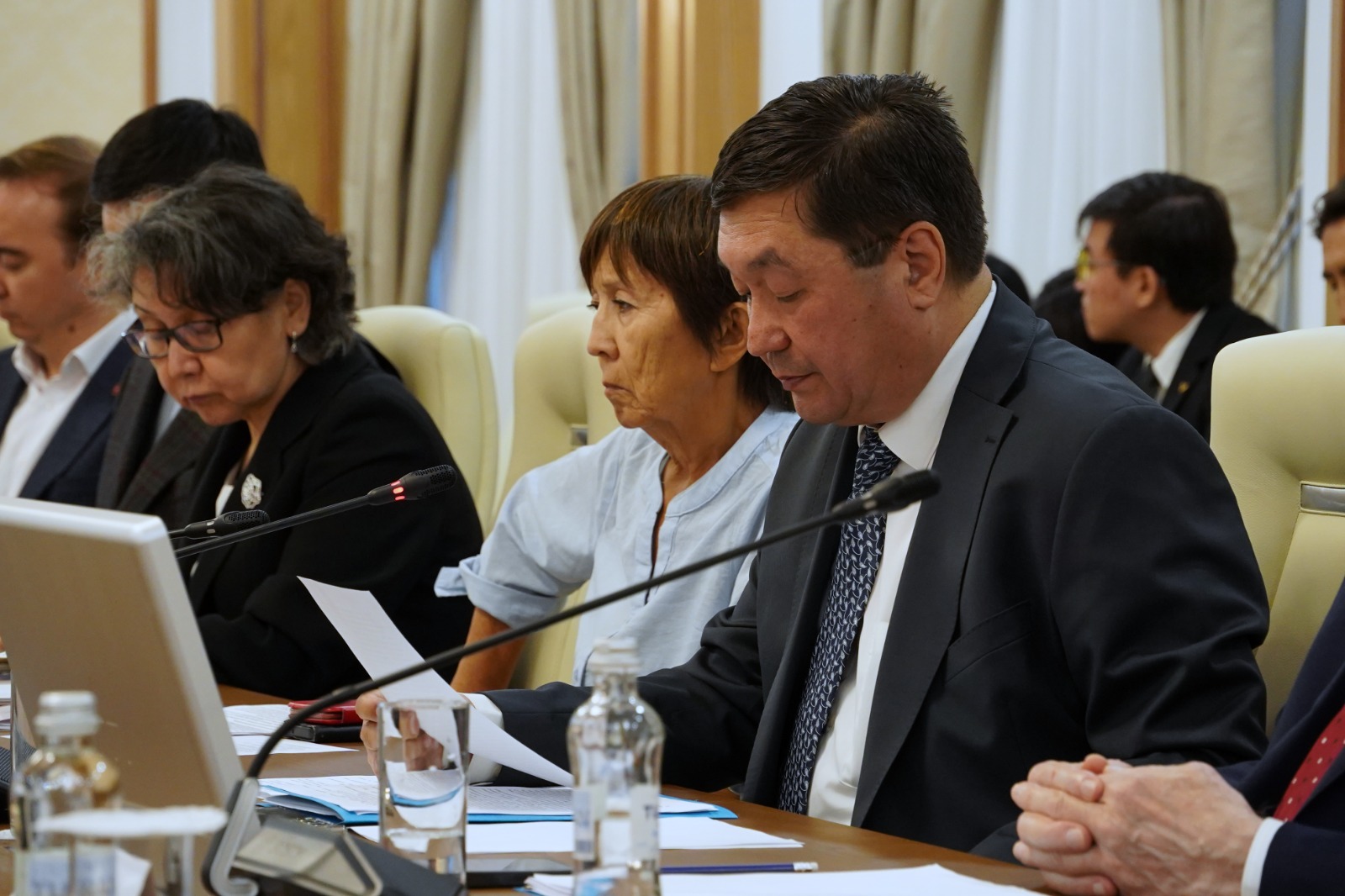
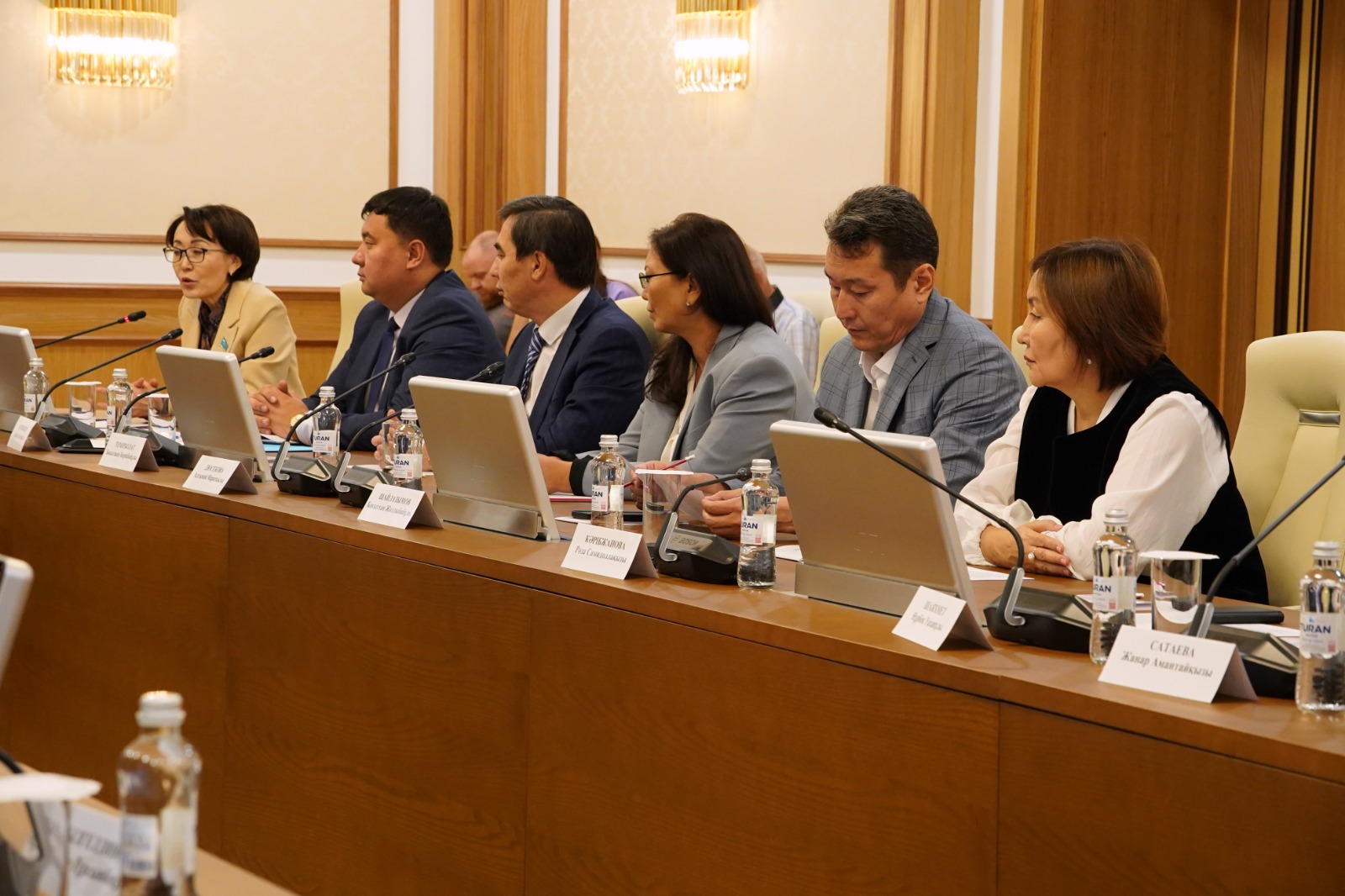
This year, on August 30, Kazakhstan celebrates the 30th anniversary of its Constitution. To mark the occasion, a National Plan entitled “Ata Zań – the Pillar of Independence” has been adopted, which includes 30 major events across the country. The Archive of the President of the Republic of Kazakhstan also made its contribution – on August 25 in Astana, a round table and the presentation of the historical-documentary exhibition “The Constitution – an Important Institution of Democracy” took place. Archivists, judges, and legal scholars discussed the role of the Constitution through the lens of archival materials.
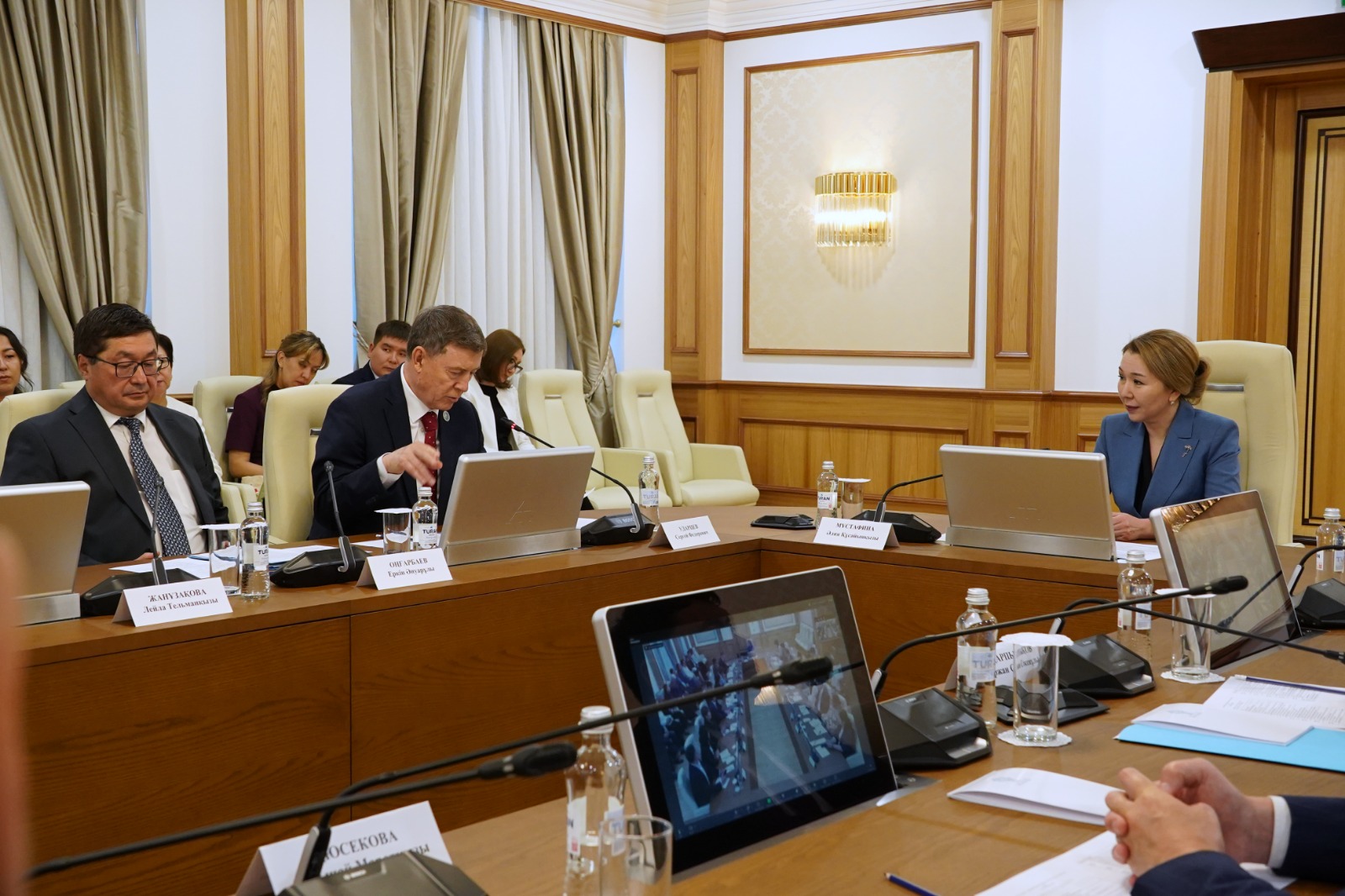
Opening the event, Director of the Archive Aliya Mustafina emphasized that constitutional law and archival work are closely connected, as archival documents often serve as a key to restoring historical and legal justice. She noted the special symbolism of discussing this in the year of the 30th anniversary of Kazakhstan’s Constitution – the Basic Law that has defined the development of the State.
“The Constitution is the most important historical document and a symbol of statehood. For us, the custodians of history, it carries great professional significance as a particularly valuable document. Preserving the Basic Law of the country is an honorable mission. Our task is not only to ensure its safekeeping but also to study it and present the entire body of thematic materials in documentary exhibitions. Today we are talking not only about its past, but also about contemporary changes, as well as the role of archives in preserving the memory of the country’s democratic path,”
– underlined Aliya Mustafina.
The first speaker at the round table was Member of the Mazhilis and Doctor of Law, Unzila Shapak. She emphasized that the system of values enshrined in the Constitution serves as the foundation of legislative stability and the sustainable development of the state.
Judges of the Constitutional Court, Sergey Udartsev and Yerkin Ongarbayev, focused on the scientific foundations and judicial practice. Particular interest was sparked by the discussion of the first monograph dedicated to the Constitutional Court.
Equally significant was the online address by Patrick Dolla, Professor at the Pantheon-Sorbonne University and Sorbonne-Kazakhstan Institute, and former judge of the Paris Administrative Court. He thanked the organizers for the invitation and noted that the Constitutions of Kazakhstan and France share much in common: both are built on a balance of presidential and parliamentary power and reflect a commitment to democracy and the rule of law. At the same time, Patrick Dolla stressed not only the similarity of legal models but also the importance of humanitarian cooperation.
“Given the close ties that have connected the independent Republic of Kazakhstan and the French Republic, it is a great honor for me to welcome the strengthening of cooperation between our national archives, as well as Kazakhstan’s participation in the International Council on Archives, headquartered in Paris. This new dimension of our bilateral and European cooperation is a guarantee for the future of our democracies, our research, and the essential trust of citizens in our institutions,” he concluded.
The exhibition accompanying the event became an important component of the round table. Based on materials preserved in the Archive, the exposition featured documents on the drafting of the Constitution: draft versions, expert opinions, analytical notes, as well as proposals submitted by citizens and organizations.
It should be noted that the reports and opinions voiced during the round table will be published in the scientific-methodological journal “Zhana Arkhiv” (New archive) of the Archive of the President of the Republic of Kazakhstan.
Earlier, as part of the anniversary celebrations of the Constitution, the Archive hosted a special tour for the winners of the national children’s contest “The Constitution in Children’s Creativity”, organized by the Constitutional Court of Kazakhstan. The young artists were shown the exhibition and learned about the history of the country’s Basic Law.
Background: The Archive of the President is the country’s largest repository of documents on the socio-political history of the 20th century and the Independence period. Its collections hold more than 1.5 million files, including key documents related to sovereignty and state-building: from the original 1995 Constitution and legislative acts of the Independence era to Presidential decrees and resolutions, as well as materials on state governance, defense, economy, social policy, culture, education, and healthcare. Archival correspondence – letters from citizens and labor collectives addressed to the Head of State – also attracts great interest from researchers.
.jpeg)
.jpeg)
.jpeg)
.jpeg)
.jpeg)
.jpeg)